
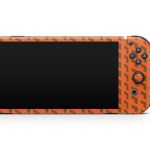


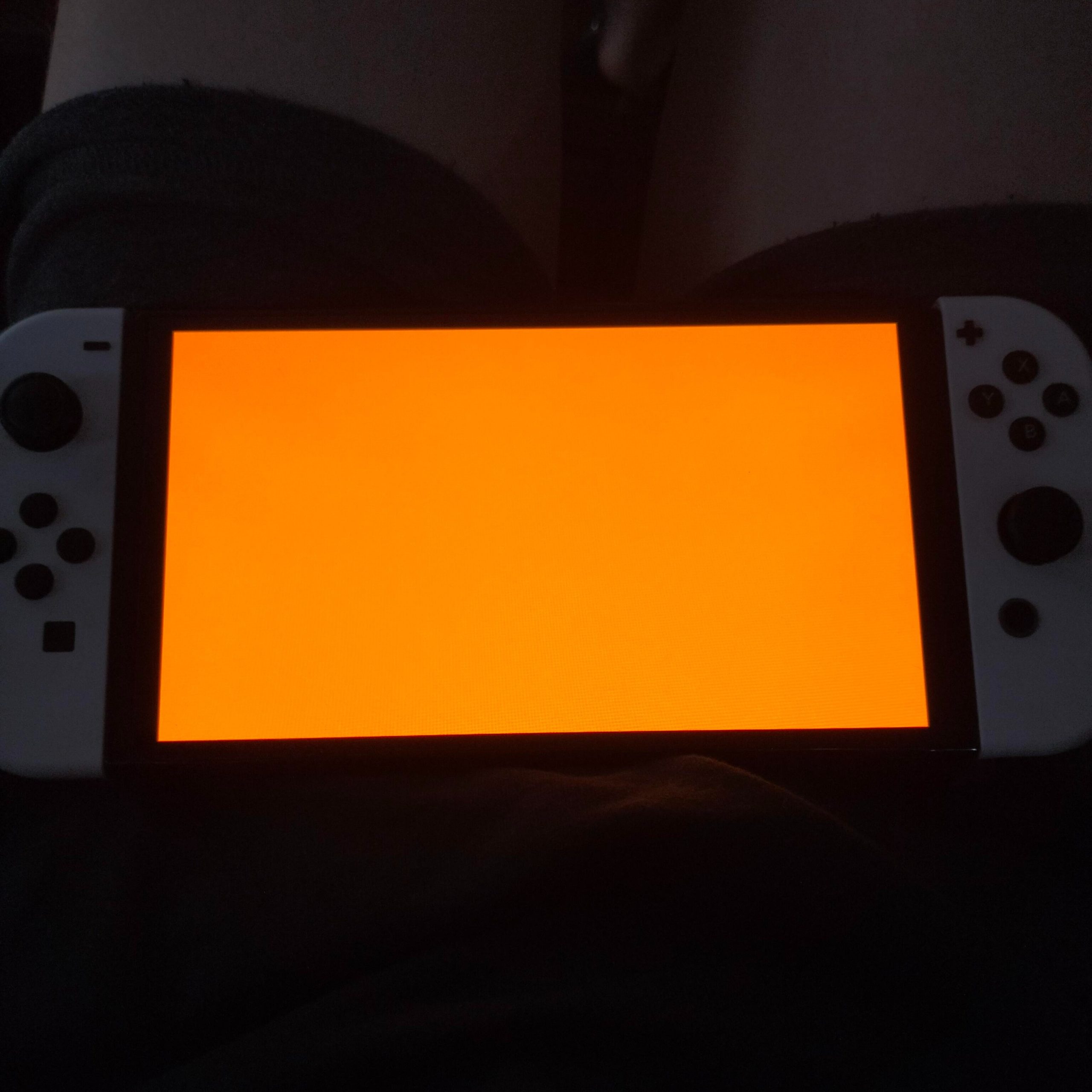
If you’re asking, “why is my nintendo switch screen orange,” you’re not alone. Many users have reported their console’s display turning a strange orange or amber tint. This issue can make gameplay difficult and visuals appear washed out. It often appears suddenly during use or after waking the device from sleep.
Moreover, understanding why this happens helps you fix it fast. The problem may stem from settings, software glitches, or hardware faults. Whether you own a standard model, OLED, or Lite version, knowing how to respond matters. So let’s explore every possible cause behind why is my nintendo switch screen orange.
 Common Causes Behind an Orange-Tinted Screen
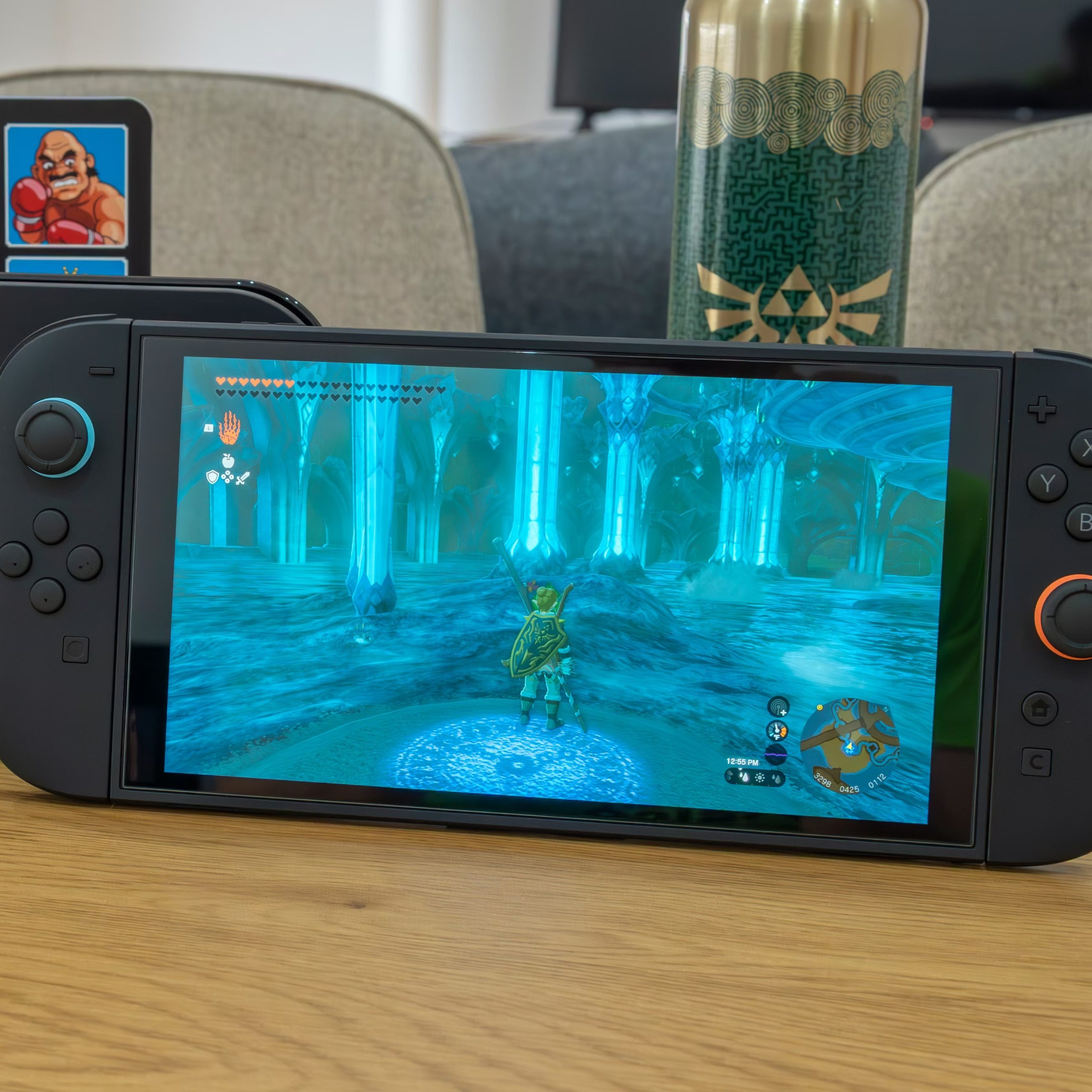
Why is my nintendo switch screen orange? One frequent reason for an orange screen is Night Mode being enabled. This feature reduces blue light to protect eyes in low-light environments. As a result, the display shifts toward warmer tones. This intentional change mimics sunset lighting.
Another possibility is incorrect Color Settings. Some users accidentally switch from Standard to Vivid or Grayscale modes. These alter color balance and contrast. An unintended setting could create an orange look.
Software bugs also play a role. System updates sometimes introduce display issues. A glitch in the firmware may misapply filters or brightness levels.
Physical damage can cause discoloration too. If the screen was dropped or pressed hard, internal components might shift. Pressure on the LCD panel leads to permanent tints.
Overheating is another factor. When the console runs too hot, display performance drops. Colors may distort until the system cools down.
Additionally, third-party cases or screen protectors may press against the screen. Poorly designed accessories interfere with the display when closed.
Each of these causes requires different solutions. Identifying the root issue saves time and effort.
How Night Mode Affects Screen Appearance
Night Mode is designed to reduce eye strain at night. It applies a warm filter across the entire interface. Blue light gets reduced significantly. This makes the screen look yellow or orange.
The feature activates based on your schedule. You set start and end times in System Settings. After dark, the filter turns on automatically.
Some users forget they enabled it. Then, they panic when colors look off. The change is not a defect—it’s intentional.
To check if Night Mode is active, go to System Settings > Console > Night Mode. Look at the toggle switch. If it’s on, that explains the orange tint.
You can disable it immediately. Slide the toggle to off. The screen should return to normal within seconds.
Alternatively, adjust the intensity. Lowering the strength reduces the warmth. Keep some eye protection without losing color accuracy.
Consider using it only during evening hours. Schedule it to match your bedtime. This way, daytime gaming stays vibrant.
 Software-Related Issues That Create Color Distortion
Sometimes, a recent update triggers display problems. Firmware patches occasionally include bugs. These affect graphics processing or calibration.
For example, version 15.0.1 had reports of screen tint changes. Users noticed shifts right after installation. Restarting did not always resolve it.
In other cases, corrupted system files cause errors. They interfere with how colors are rendered. This results in odd hues like orange or pink.
A simple restart often fixes minor glitches. Hold the Power button for 12 seconds. Turn the console back on. Check if the screen returns to normal.
Clearing cache data can help too. Go to System Settings > Data Management > Delete Cache. This removes temporary files that might be causing issues.
Updating again ensures you have the latest patch. Connect to Wi-Fi. Let the system check for new updates under System Settings > System Update.
If problems persist, consider backing up data. Then perform a full system reset. This wipes all settings and restores default configurations.
Always keep your console updated. Developers release fixes quickly. Staying current prevents many known bugs.
How System Updates Can Trigger Unexpected Problems
While updates improve security and features, they don’t always go smoothly. Occasionally, new code conflicts with existing settings. This includes display profiles.
Nintendo usually tests thoroughly. However, rare edge cases slip through. Some devices react differently based on usage history.
After an update, reset any custom display preferences. Re-enable HDR if used. Make sure color mode matches your TV or monitor.
Monitor official forums and support pages. Nintendo may post alerts about known issues. They often provide temporary workarounds.
Wait before installing major updates. Give early adopters time to report bugs. Delaying by a few days avoids initial problems.
Use airplane mode to pause automatic downloads. This gives you control over timing. Install updates when you can monitor the process.
Contact Nintendo Support if the issue began with an update. They track recurring complaints. Your report adds to their troubleshooting data.
 Hardware Damage That May Cause Discoloration
Physical trauma is a serious cause of screen discoloration. Dropping the console or applying pressure cracks internal layers. Even small impacts may damage the LCD matrix.
Pressure marks often show as splotches or lines. Orange or black spots appear where the screen was stressed. Closing the device with a case still attached increases risk.
Moisture exposure also harms displays. Spills or high humidity get inside ports. Water damages circuits and alters pixel function.
Overheating affects long-term health. Running intensive games for hours raises internal temperature. Without cooling breaks, components degrade faster.
Manufacturing defects exist too. Some units ship with faulty screens. These usually appear soon after purchase.
Inspect the screen carefully. Use a flashlight at an angle. Look for cracks, bubbles, or lifting edges.
Avoid touching the screen directly. Fingerprints and oils build up. Clean gently with a microfiber cloth.
If hardware damage is suspected, contact Nintendo Repair Services. Do not attempt DIY fixes. Opening the console voids the warranty.
Signs of Internal Screen or Connection Failure
Certain symptoms point to deeper problems. Flickering alongside the orange tint suggests loose connections. The ribbon cable between the screen and motherboard may be loose.
Vertical or horizontal colored lines indicate pixel failure. Orange streaks moving across the screen signal GPU stress. These require professional repair.
Touchscreen unresponsiveness combined with discoloration confirms internal fault. Software won’t fix both issues together.
Check speaker sound and volume buttons. If those fail too, the issue spreads beyond the display. Likely a logic board or connector problem.
Boot into Safe Mode. Hold Volume Up while powering on. Navigate with buttons only. If the screen still looks orange, it’s not software-related.
Try connecting to a TV via dock. If the output is normal, the handheld screen has failed. This isolates the problem.
Keep logs of when the issue occurs. Does it happen more after certain games? Or after charging?
Take photos or videos as evidence. Submit them with your repair request. This speeds up diagnosis.
Environmental and Accessory-Related Factors
Ambient lighting affects how colors appear. Playing near warm-toned lamps creates visual illusions. The brain adjusts, making whites look orange.
Change rooms or turn off nearby lights. See if the screen appears different. Natural daylight reveals true colors best.
Screen protectors may cause reflections. Low-quality films add glare or haze. They distort color perception over time.
Remove the protector and inspect. Clean the screen underneath. Recheck the display without the film.
Cases that press on the screen lead to smudging. Thick corner bumpers push inward. Over time, this warps pixels.
Ensure the case fits properly. There should be space around the screen. Never close the device with objects on the glass.
Dust and debris enter the hinge area. Use compressed air carefully. Blow along the edges. Prevent grit from scratching the surface.
Play in well-ventilated areas. Avoid blankets or laps that block vents. Heat builds up quickly.
Adjust room brightness settings. Reduce backlight if playing in dim spaces. This reduces eye fatigue.
How External Devices Influence Display Output
Connecting to a TV via the dock changes display behavior. The Switch outputs in HD. Any color issues may reflect TV settings instead.
Check your TV’s picture mode. Disable Energy Saving or Eco Mode. These dim colors and shift tones.
Turn off motion smoothing. Known as “soap opera effect,” it distorts clarity. It may enhance warm tones.
Test with a different HDMI cable. Faulty wires cause signal loss. This results in incorrect color rendering.
Use Game Mode on your television. This disables unnecessary filters. Input lag drops and colors stay accurate.
Unplug everything and test standalone. Remove docks, controllers, and chargers. See if the screen improves.
Charge using the original adapter. Third-party power supplies send unstable voltage. This stresses the system.
Limit background apps. Too many running processes slow performance. Graphics glitches follow.
 Frequently Asked Questions About Orange Screen Issues
Why does my screen look orange only in handheld mode? Likely due to Night Mode or screen damage. Check settings first.
Can I fix it myself? Only if it’s a setting issue. Never open the console unless authorized.
Does overheating cause permanent damage? Yes. Long-term heat degrades battery and screen.
Will a factory reset fix it? Possibly, if software-related. Back up saves first.
Is this common in older models? Some users report it after two years. Wear and tear increase risk.
Can screen protectors prevent damage? Yes, but only physical scratches. Not color shifts.
Should I stop playing if the screen flickers? Yes. Continued use may worsen the issue.
 Final Thoughts
Understanding why is my nintendo switch screen orange empowers you to take quick action. In most cases, the fix is simple. Adjusting Night Mode or updating the system resolves the problem.
However, if hardware damage is involved, professional repair becomes necessary. Early detection prevents further harm. Always handle the device with care and avoid pressure on the screen.
As gaming continues evolving, so do display technologies. Knowing how to troubleshoot keeps your experience smooth. By following this guide, you ensure your Nintendo Switch remains vibrant and reliable. So next time you see a strange tint, don’t panic—just check the settings first.