


Introduction: Understanding the Ring Doorbell Wiring Diagram
Installing a Ring Doorbell can enhance your home security and provide peace of mind. However, the installation process often raises questions about the electrical wiring involved. A ring doorbell wiring diagram serves as a valuable tool for homeowners looking to install their devices themselves. It provides a visual representation of how to connect the doorbell to existing wiring, thus ensuring a smooth installation process.
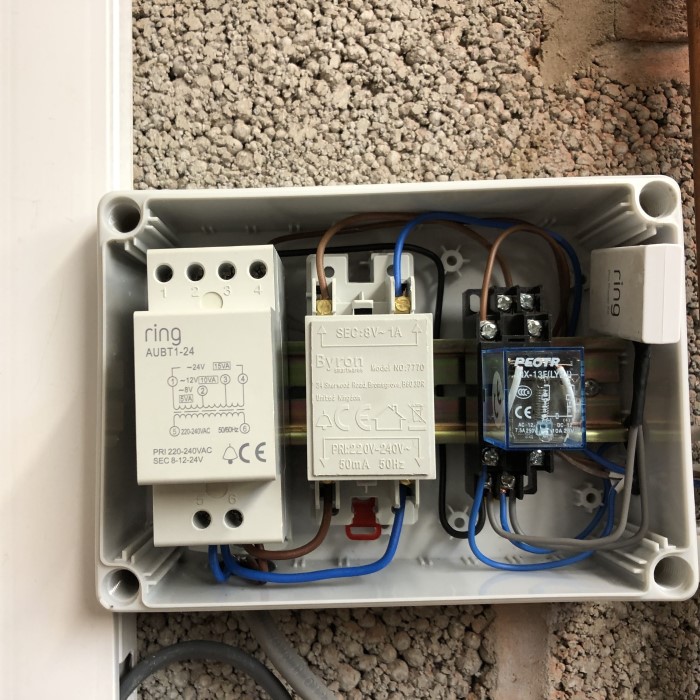
In this guide, we will break down what you need to know about wiring your Ring doorbell. From understanding the basic components involved to troubleshooting common wiring issues, this article will serve as an essential resource for homeowners in 2026. Let’s delve into the specifics of Ring doorbell wiring, including diagrams, installation tips, and frequently asked questions.
Benefits of Installing a Ring Doorbell
Enhanced Security
- Primary Reason for Installation: Enhanced security is one of the foremost reasons homeowners opt for a Ring Doorbell. The added security features significantly contribute to a safer home environment.
- Built-in Camera Functionality: Each Ring Doorbell is equipped with a high-definition camera. This camera allows for real-time video monitoring of your front entrance, giving you a clear view of who approaches your home.
- Two-Way Audio: The inclusion of two-way audio enables you to communicate directly with visitors from your smartphone. Whether it’s a delivery person dropping off a package or a neighbor stopping by, you can converse easily without having to physically open the door.
- Real-Time Alerts: The Ring Doorbell sends real-time alerts to your smartphone whenever it detects motion. This instant notification allows homeowners to stay informed of any activity at their door, enhancing their situational awareness.
- Deterrent Against Crime: The presence of a visible Ring Doorbell can act as a deterrent to potential intruders. Knowing they are being recorded can discourage unwelcome visitors from attempting to approach your home.
Convenience
- Motion Detection Alerts: One of the standout features of the Ring Doorbell is its motion detection capabilities. The device alerts you to movement detected at your door, keeping you informed even when you’re away.
- Remote Monitoring: You can see who is at your door at any time, thanks to the live video feed accessible through the Ring app. This feature provides peace of mind, allowing you to monitor your property from anywhere.
- Package Notifications: For homeowners frequently receiving deliveries, the Ring Doorbell can notify you when packages arrive. This convenience minimizes the risk of package theft and helps you promptly manage your deliveries.
- Easy Interaction: Not only can you see who is at your door, but you can also interact with them. Whether you’re inside your home or miles away, you can greet delivery personnel or let friends know you’ll be right there.
- Smart Notifications: The Ring app sends notifications directly to your smartphone. This real-time alert system ensures you are always up to date with who is visiting your home.
Integration with Smart Home Systems
- Seamless Ecosystem Integration: Ring Doorbells can integrate easily with various smart home ecosystems, enhancing their overall functionality. This integration allows for a wide range of additional features and capabilities.
- Control Through Voice Commands: When connected to smart home devices such as Amazon Alexa or Google Home, you can control your Ring Doorbell using simple voice commands. This hands-free interaction adds convenience to your daily routine.
- Smartphone Control: The Ring app enables you to control your doorbell from your smartphone. You can view live feeds, adjust settings, and communicate with visitors all from the palm of your hand.
- Integration with Other Devices: Besides voice assistants, Ring can work alongside other smart security devices. This means you can link your doorbell with security cameras, smart lights, and alarms, creating a comprehensive security system.
- Enhanced Automation: Through integration with smart home systems, users can automate various functions. For example, you can set your smart lights to turn on when the doorbell detects motion, further increasing security.
Components of the Ring Doorbell Wiring Diagram
Understanding the components involved in the wiring of your Ring Doorbell is crucial for a successful installation.
1. Power Source
- Transformer Requirement: Most Ring Doorbells require a transformer that converts your home’s voltage to a lower safe voltage. This is commonly 16-24 volts.
- Existing Doorbell Wires: If you are replacing an existing doorbell, you may already have the necessary wires. Wiring generally consists of low-voltage wire connected to the doorbell transformer in your home.
2. Wiring Connections
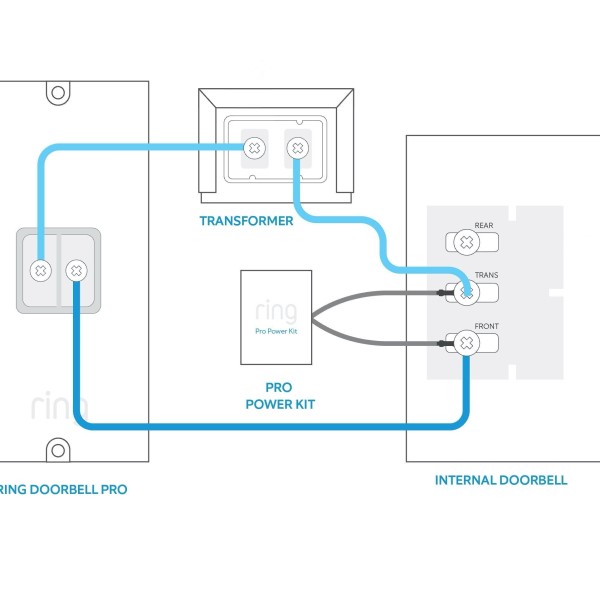
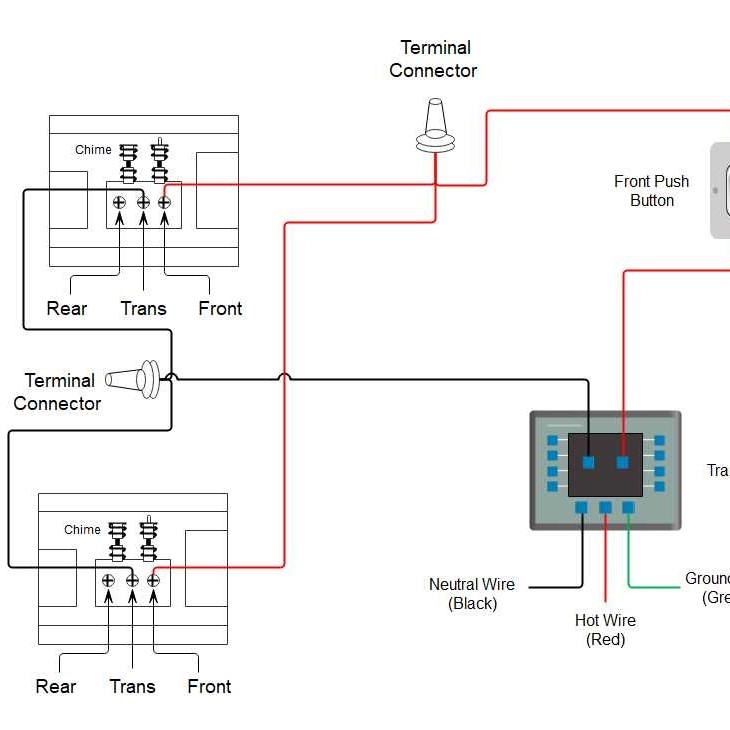
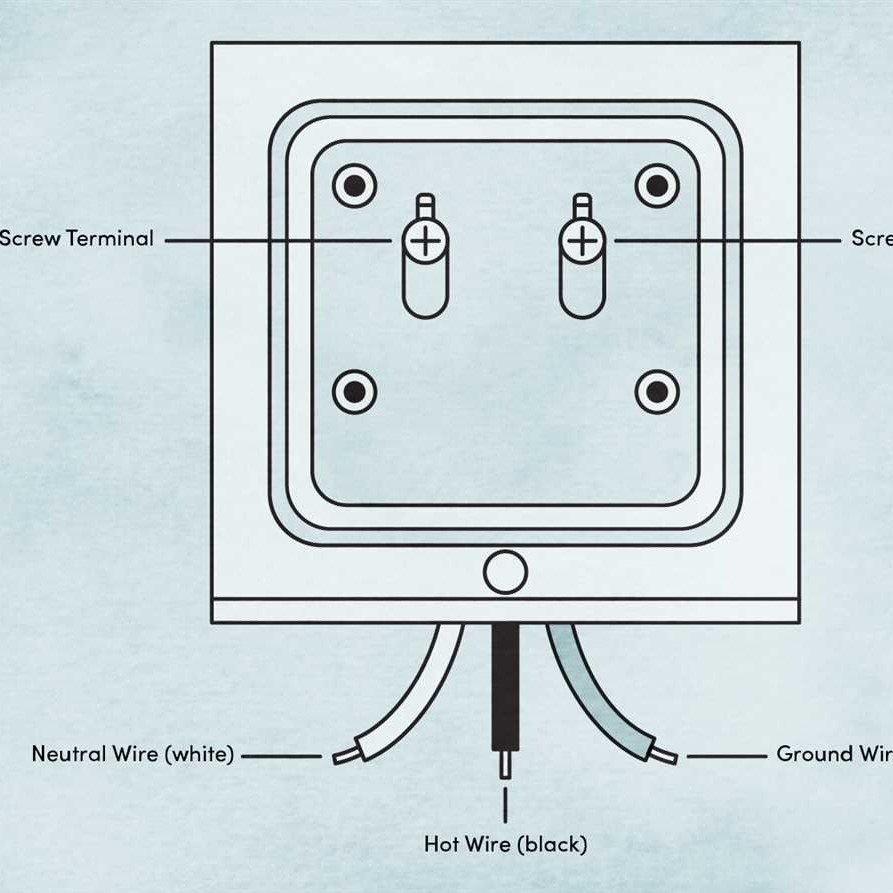
- Common Wiring: Typically, there are three wires involved in doorbell installation: the transformer wire, the chime wire, and the doorbell wire. Understanding each wire’s function is key.
- Proper Connections: Follow the wiring diagram closely to ensure each wire connects to the correct terminal on your Ring Doorbell. This helps avoid malfunctions during operation.
3. Components to Know
- Ring Doorbell Unit: The device itself, equipped with its camera, speaker, and button.
- Chime: The sound-producing unit that alerts you when someone presses the doorbell.
- Power Supply Transformer: Converts the standard electrical voltage to a lower voltage suitable for the Ring Doorbell.
Simplified Wiring Process for Your Ring Doorbell
The actual installation process for wiring a Ring Doorbell does not have to be intimidating. Here, we’ll break it down into manageable steps.
Turn Off Power
- Safety First: Before starting any electrical work, ensure that power to your doorbell circuit is turned off at the electrical panel. This will prevent any accidents during installation.
Prepare the Wires
- Check Existing Wires: If you are replacing a traditional doorbell, neatly disconnect the old unit and remove exposed or frayed wires. Use wire strippers to uncover a fresh section of wire if necessary.
- Ensure Compatibility: Verify that the transformer voltage meets Ring Doorbell’s system requirements.
Connect Wires to the Doorbell
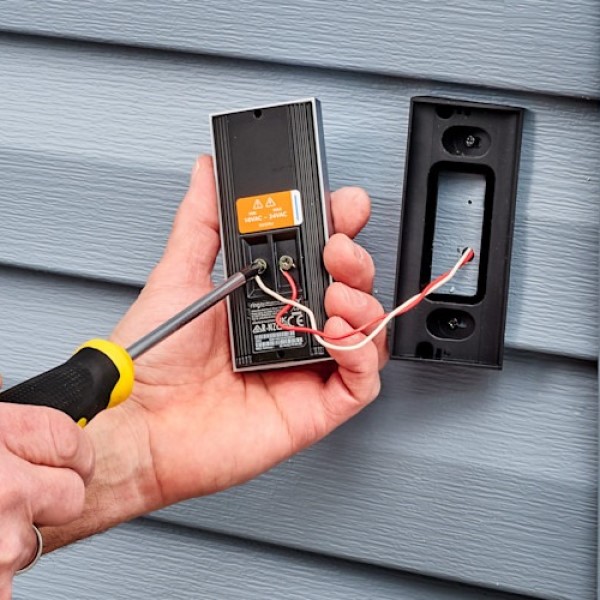
- Using the Diagram: Connect your doorbell wires to the corresponding terminals on your Ring device according to the ring doorbell wiring diagram. Generally, you will connect the two wires from your doorbell to the terminal marked “Front” or “F” and “Trans.”
- Secure Connections: Ensure each connection is tight, avoiding any loose cables that could lead to intermittent connectivity.
Reattach the Doorbell
- Mount the Device: Secure your Ring Doorbell to its mounting bracket, making sure that it is level and properly aligned with the existing holes.
- Double-Check Connections: Go over your connections one more time before turning the power back on. Make sure all wires are secure and in their designated spots.
Power On and Test
- Turn Power Back On: Once everything is connected, restore power at the electrical panel and test your Ring Doorbell by pressing the button. Check if the chime rings and the camera activates.
Troubleshooting Common Wiring Issues
During the installation process, you might encounter a few common issues. Here are some troubleshooting tips.
1. No Power to the Doorbell
- Check Transformer: Ensure that the transformer is functioning properly. Sometimes, a blown transformer may prevent the Ring Doorbell from receiving power.
- Wiring Connections: Double-check that all wiring connections are correctly made and that no wires are damaged.
2. Chime Not Working
- Chime Compatibility: Ensure the chime is compatible with Ring Doorbells. Not all chimes will work; some require specific types of connecting wires.
- Connection Check: Revisit the wiring diagram and make sure that the chime wires are connected correctly.
3. Camera Not Activating
- Internet Connection: Make sure your Ring Doorbell is connected to Wi-Fi and that the internet connection is strong enough for it to function correctly.
- Reboot the Device: Sometimes, rebooting the device may resolve connectivity issues. Follow the manufacturer’s troubleshooting guidelines for this.
Frequently Asked Questions
How do you hardwire a Ring doorbell?
To hardwire a Ring doorbell, ensure that you have a compatible transformer and existing doorbell wiring. Safety is crucial, so turn off power before connecting the doorbell wires to the terminals as indicated in the wiring diagram.
Does a Ring doorbell require special wiring?
While a Ring doorbell does not require special wiring, it does need to be connected to a low-voltage power source, typically from a transformer. Be sure to follow the guidelines for voltage requirements as outlined in the device’s manual.
What are the three wires for doorbell wiring?
The three wires generally used for doorbell wiring include a transformer wire (which supplies power), a wire for the doorbell button, and a chime wire (which connects to the doorbell chime). Proper identification of these wires is important for installation.
Conclusion: The Importance of Understanding Your Ring Doorbell Wiring Diagram
Understanding the ring doorbell wiring diagram is essential for any homeowner looking to install their device successfully. By following this simplified guide, you can feel confident in wiring your Ring Doorbell while avoiding common pitfalls.
With enhanced security and convenience, adding a Ring Doorbell to your home is an excellent decision. Remember to take your time during the installation process and refer back to the wiring diagram as needed. With a little patience and attention to detail, you’ll have your Ring Doorbell installed and working in no time. Happy wiring!