

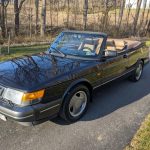


The Saab 900 Turbo remains one of the most respected European cars of the late 20th century. Originally introduced in the early 1980s, this Swedish-engineered vehicle combined practicality with performance. It stood out from its peers by offering turbocharged power in a reliable, everyday sedan. Drivers appreciated its front-wheel-drive layout, aircraft-inspired design, and advanced features.
More than just a fast car, the Saab 900 Turbo represented innovation. Its turbo engine delivered strong acceleration while maintaining fuel efficiency. The cabin featured intuitive controls and excellent visibility. Over time, it earned a loyal following among enthusiasts and mechanics alike. Today, finding a well-maintained Saab 900 Turbo is a prize for collectors and vintage car lovers.
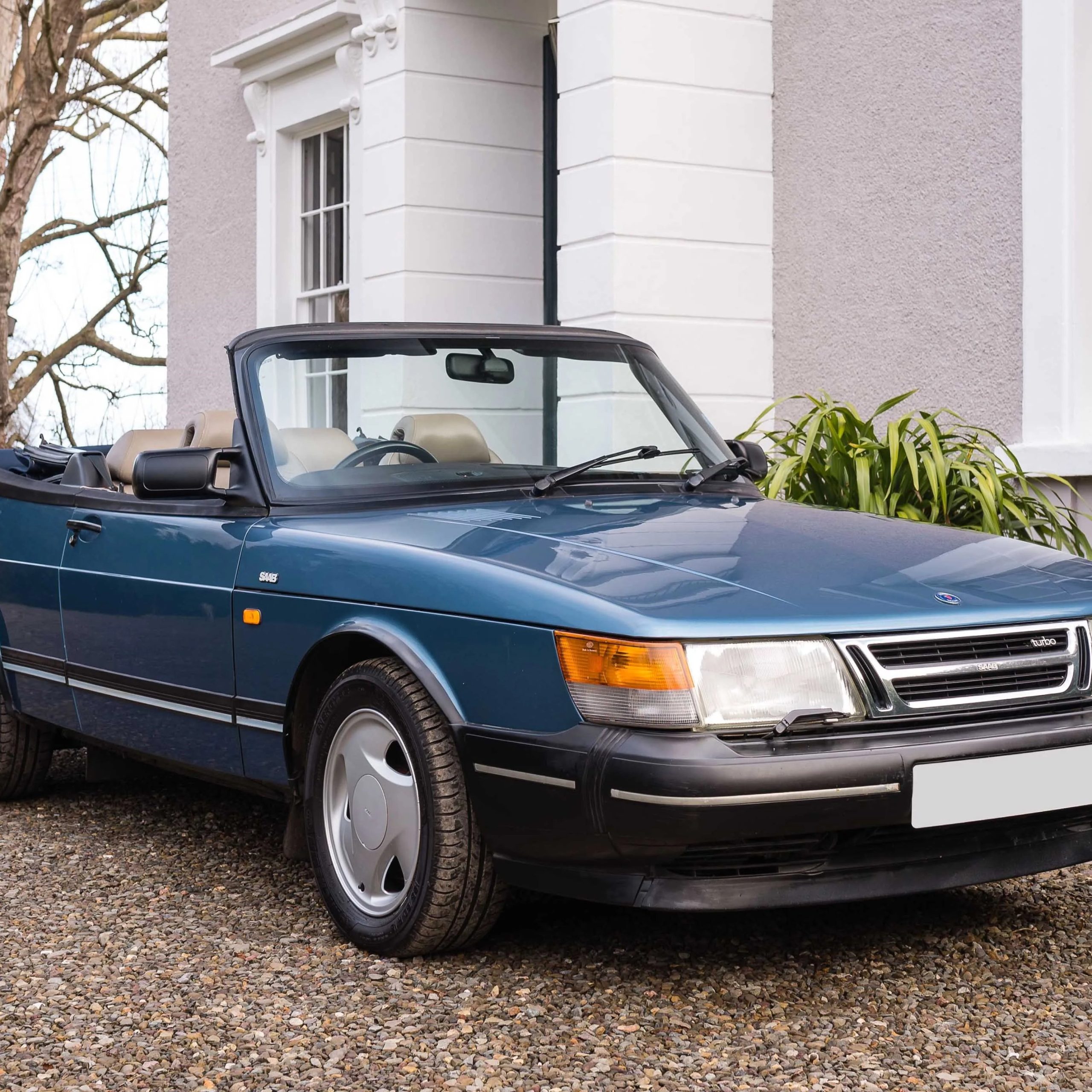 Why the Saab 900 Turbo Was Ahead of Its Time
Innovative Design That Changed Car Engineering
The Saab 900 Turbo broke new ground in automotive technology. One major feature was its longitudinal front-wheel-drive system. This layout allowed better weight distribution. It also made room for larger engines. Most competitors used transverse setups. Saab’s choice improved balance and handling.
Another standout trait was the hatchback body style. Unlike traditional trunks, it offered easy access to cargo space. This design came from Saab’s aviation roots. Functionality always took priority over form. The sloped rear glass reduced drag and increased fuel economy.
Heated seats were rare in the 1980s. Yet, the Saab 900 Turbo included them as standard or optional equipment. Drivers in cold climates found this especially useful. The heated windshield washer fluid system prevented freezing too. These small details showed thoughtful engineering.
Safety played a big role in its development. The car featured crumple zones, side-impact beams, and a reinforced roof. Airbags arrived later in the model run. Even without them, crash test results were strong for the era.
The ignition switch sat behind the shifter. This helped keep the steering wheel clear during entry and exit. It also reduced leg injuries in crashes. While unusual at first, drivers quickly adapted to the setup.
Additionally, Saab used high-strength steel in key areas. This added durability without increasing weight. Rust protection improved over earlier models. Undercoating and drainage channels kept moisture away.
All these innovations proved that the Saab 900 Turbo wasn’t just fast—it was smart.
Performance and Driving Experience
What Made the Saab 900 Turbo a Driver’s Car
Driving the Saab 900 Turbo felt different from other sedans. The turbocharged engine provided noticeable boost around 2,500 RPM. Once engaged, power surged smoothly. There was no sudden jolt—just steady acceleration. This made passing on highways both safe and satisfying.
Early models had a 16-valve inline-four engine. It produced about 175 horsepower. Later versions reached higher outputs with intercooling. Intercooled turbos ran cooler and lasted longer. They also supported more aggressive tuning.
The five-speed manual transmission shifted crisply. Gear throws were short and precise. Clutch engagement was light. This made city driving less tiring. Enthusiasts loved how connected the car felt.
Power steering became available in later years. Before that, drivers turned a direct rack-and-pinion setup. It required more effort but gave excellent feedback. Steering feel helped anticipate road conditions.
Brakes performed well for their time. Ventilated front discs handled repeated stops. Rear drums were adequate for daily use. Upgraded brake pads improved stopping distance.
Ride quality balanced comfort and control. Independent suspension absorbed bumps. Strut towers remained stiff under load. Cornering was flat for a front-wheel-drive car.
Wind noise stayed low thanks to thick glass and tight seals. The cabin remained quiet on long trips. Road noise was present but not distracting.
Even today, owners report joy behind the wheel. The Saab 900 Turbo rewards attentive driving. It doesn’t drive you—it works with you.
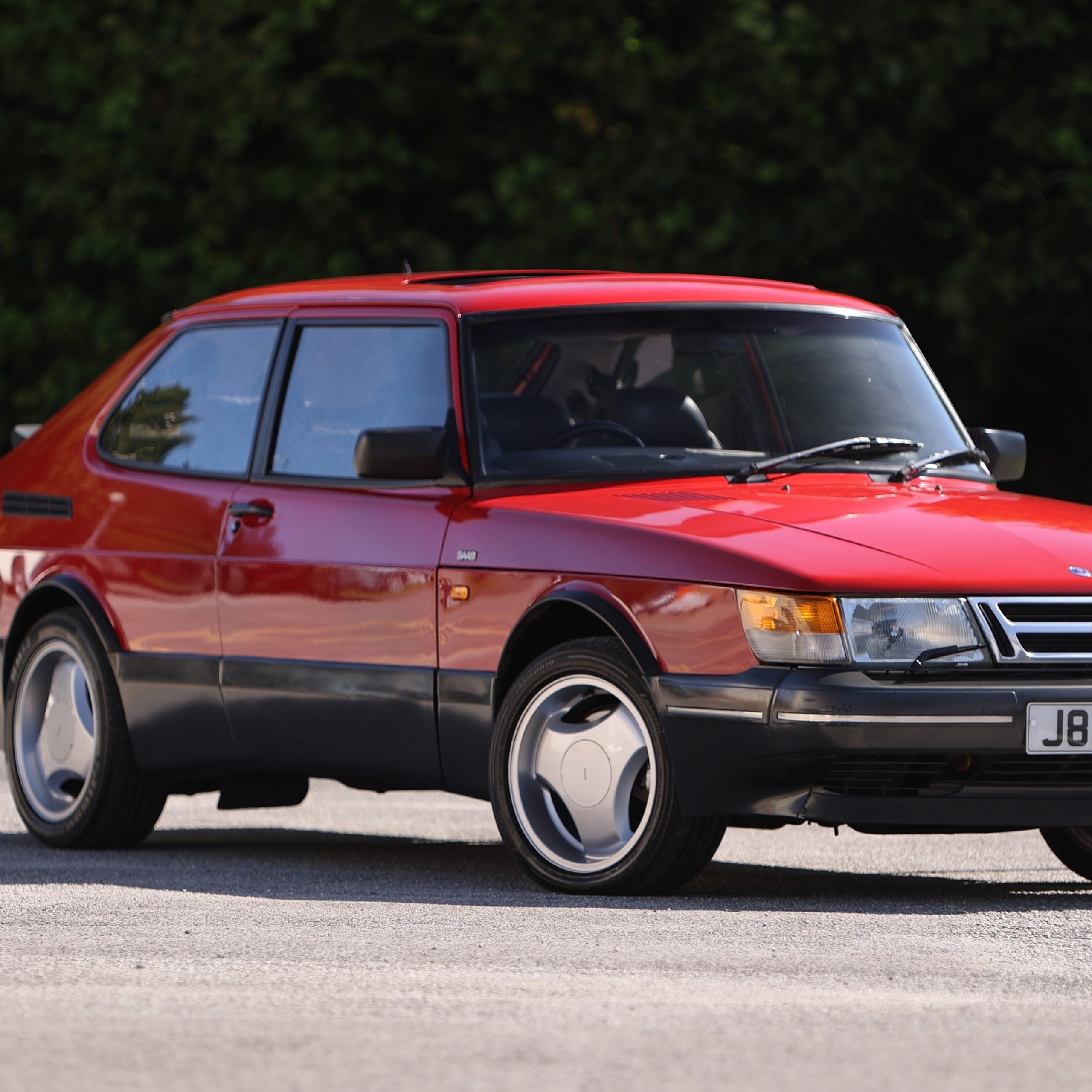 Interior Features and Comfort
A Cabin Designed for Real Life
Inside, the Saab 900 Turbo focused on usability. Gauges were large and clearly marked. The center console angled slightly toward the driver. Controls stayed within reach. No need to take eyes off the road.
Seats offered strong support. Side bolsters held occupants during turns. Fabric choices were durable and resistant to fading. Leather appeared in higher trims. All materials aged gracefully.
Cabin space suited four adults comfortably. Legroom in the back was generous. Headroom benefited from the hatchback shape. Tall passengers did not hit their heads.
Climate control worked effectively. Early models had manual dials. Later versions added digital readouts. Heating systems warmed up quickly. Air conditioning kept interiors cool even in summer.
Storage solutions were smartly placed. Door pockets fit water bottles. The glove box locked securely. Cup holders arrived later in production. Some owners added aftermarket versions.
Sound systems were basic by modern standards. AM/FM radios with cassette players were common. CD changers mounted in the trunk. Aftermarket upgrades are popular today.
Visibility ranked among the best in class. The wraparound windshield gave wide views. Pillars were thin compared to rivals. Backup visibility improved with the hatch design.
Sunroofs increased airflow and brightness. Power windows and mirrors added convenience. Cruise control helped on long drives.
Overall, the interior avoided clutter. Everything served a purpose. This minimalist approach still feels fresh decades later.
Common Issues
Keeping a Classic Running Strong
Owning a Saab 900 Turbo brings joy—but requires care. One common problem is electrical gremlins. Older wiring harnesses degrade over time. Fuses and relays may fail unexpectedly. Regular inspection helps prevent breakdowns.
Fuel pumps wear out after many years. A failing pump causes stalling or hard starts. Replacing it proactively avoids roadside trouble. Use OEM or high-quality replacements.
Turbochargers last if maintained. Oil changes must happen regularly. Sludge blocks oil passages. Synthetic oil improves flow and protection. Always let the engine idle for 30 seconds before shutdown. This prevents coking in the turbo.
Rubber hoses crack with age. Vacuum lines control various systems. Leaks affect idle and boost pressure. Inspect them yearly. Replace any that feel brittle.
Clutches in manual models wear normally. High-mileage cars may need new ones. Hydraulic release bearings reduce maintenance. Bleeding the system keeps shifts smooth.
Cooling systems require attention. Radiators clog over time. Hoses swell or leak. Thermostats stick open or closed. Flush coolant every two years. Check belts and the water pump.
Rust appears in rocker panels and wheel wells. Drain holes can get blocked. Clean them annually. Apply rust inhibitor in wet climates.
Finding parts is easier than expected. Online forums and specialty shops stock many items. Clubs host swap meets. Knowledgeable mechanics grow in number.
With regular upkeep, the Saab 900 Turbo runs reliably. Prevention beats repair every time.
 Modifications and Upgrades Enthusiasts Love
Enhancing Performance Without Losing Character
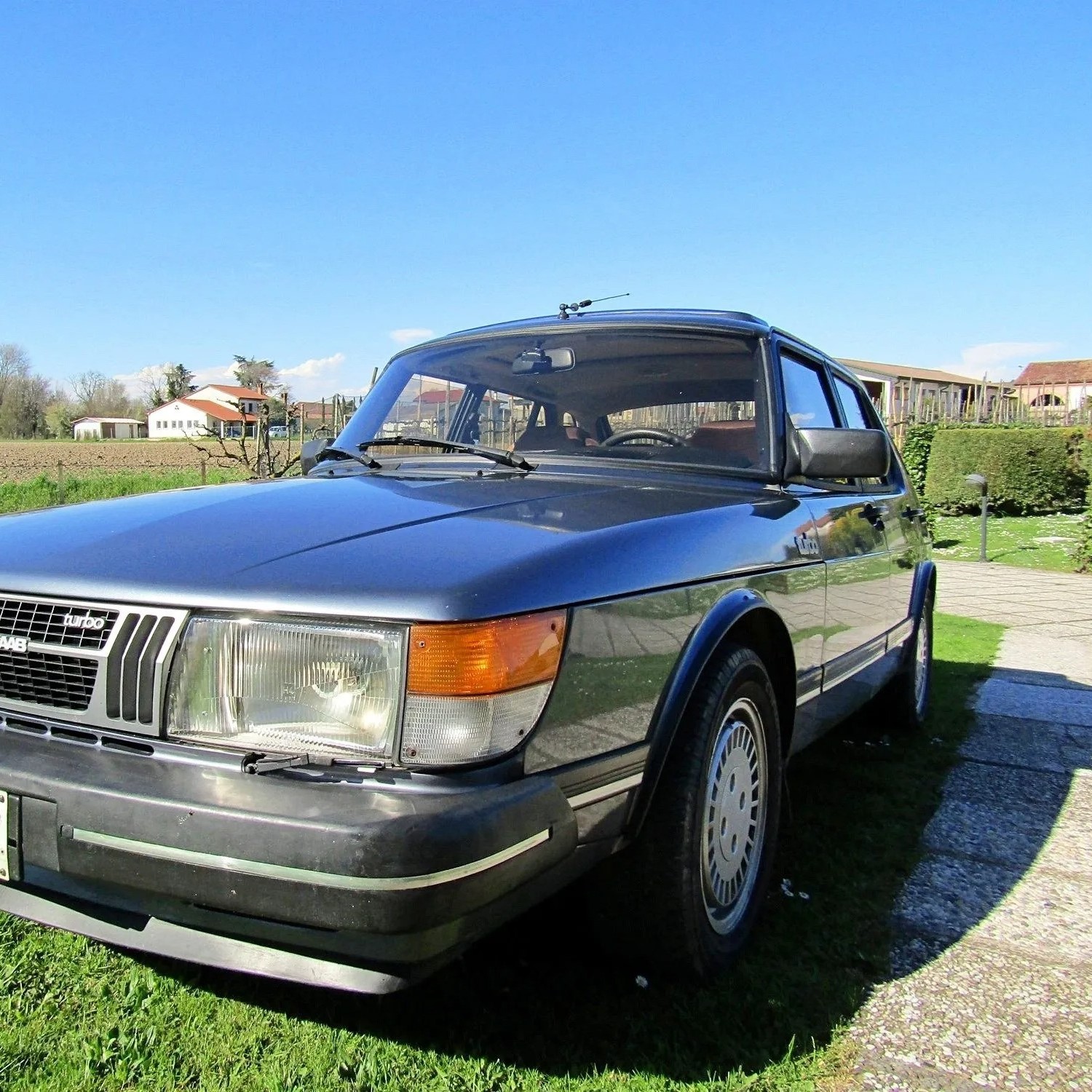
Many Saab 900 Turbo owners enjoy upgrading their cars. Forced induction fans increase boost pressure. Adjustable wastegates allow fine-tuning. Higher boost raises horsepower safely. Intercooler upgrades improve air intake temps.
Engine management chips replace factory units. These adjust fuel and timing maps. Results include smoother power delivery and better throttle response. Plug-and-play modules simplify installation.
Exhaust systems improve sound and flow. Cat-back systems reduce backpressure. Stainless steel resists corrosion. Some add electric cutouts for variable tone.
Wheels and tires upgrade grip. Lightweight alloys reduce unsprung weight. Sticky rubber enhances cornering. Fitment stays simple due to common bolt patterns.
Suspension kits lower the car slightly. Coilovers offer height and damping adjustments. Sway bars reduce body roll. Polyurethane bushings sharpen turn-in.
Brake upgrades include slotted rotors and performance pads. Big brake kits fit with adapters. Stainless braided lines improve pedal feel.
Interior mods focus on comfort. Modern gauges monitor oil pressure and boost. Bluetooth kits link phones to old radios. USB ports charge devices.
Preserving originality matters to some. Others embrace evolution. Either way, modifications should match driving goals.
Where to Buy and What to Look For
Tips for Finding a Quality Saab 900 Turbo
Buying a Saab 900 Turbo takes research. Start with online marketplaces. Websites like Bring a Trailer, eBay Motors, and Facebook groups list clean examples. Private sellers often price fairly.
Join Saab clubs or forums. Members sell cars directly. They share service records and history. Trust builds through community interaction.
Inspect in person whenever possible. Test drive on city and highway roads. Listen for odd noises. Feel for vibrations. Check all lights, switches, and gauges.
Review maintenance logs. Look for consistent oil changes and repairs. Avoid cars with gaps in service. Ask about recent work on the turbo, cooling, or electrical systems.
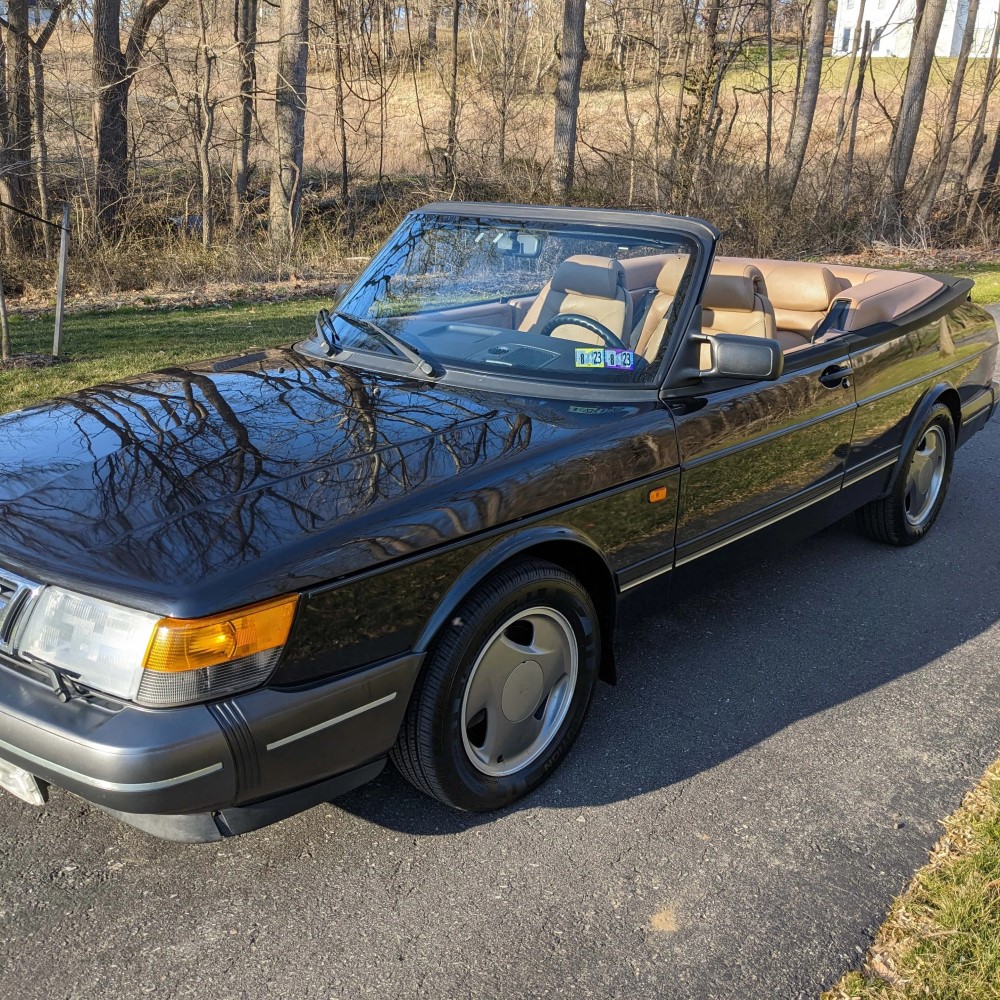
Check VIN numbers and registration history. Confirm the model year and trim level. Intercooled vs. non-intercooled makes a difference. Convertibles cost more.
Look under the hood. Fluids should be clean. Belts show no cracks. Battery terminals lack heavy corrosion. Hoses look plump and flexible.
Examine body panels. Rust near doors, fenders, and frame rails is red flag. Paint mismatch suggests past damage.
Start the engine cold. Watch for smoke. Blue smoke means oil burning. White could indicate coolant leaks. Let it warm up fully.
A pre-purchase inspection by a specialist is wise. They spot hidden issues. Cost is minor compared to repair bills.
Patience leads to the right car. Don’t rush into a bad deal.
 Frequently Asked Questions
Common Concerns Answered Clearly
Are parts hard to find? Not anymore. Many suppliers specialize in Saabs. Online stores ship globally.
Can I daily drive it? Absolutely. Many do. Prepare for occasional repairs. Carry spare fuses and tools.
Does it use premium gas? Not required. Regular unleaded works. Premium may help under heavy boost.
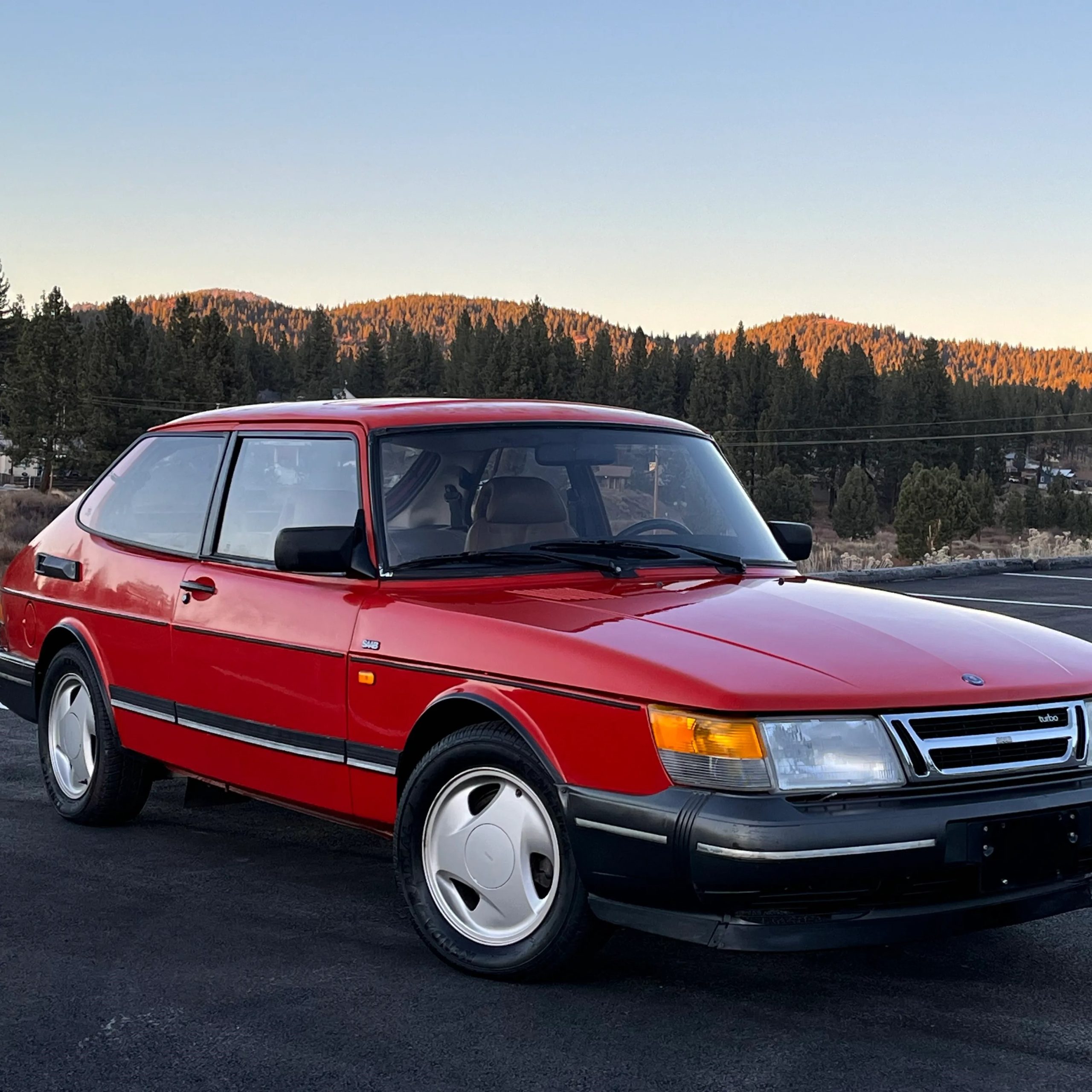
What year is best? 1987–1994 models have fuel injection. Earlier carbureted ones need more tuning.
Is insurance expensive? Usually no. Low theft rates and modest values keep costs down.
Do they hold value? Well-kept examples appreciate slowly. Collector interest grows each year.
 Final Thoughts
The Saab 900 Turbo holds a special place in automotive history. It blended Scandinavian design with bold engineering. More than just a fast sedan, it offered intelligence, safety, and charm. Its unique features set it apart from German and Japanese rivals.
Today, it remains a favorite among classic car lovers. Owners value its quirkiness and dependability. With proper care, a Saab 900 Turbo delivers driving pleasure for years. It proves that innovation doesn’t fade with time.
Whether you’re restoring one, daily driving, or joining a club, the experience connects you to a passionate community. The Saab 900 Turbo isn’t just metal and rubber—it’s a legacy worth preserving.